 Your browser is out of date. For best experience switch to latest updated Browser.
 Get Chrome
 Get Edge
 Get Firefox
Ability Levels
Categories
Resource Types
Age/Grade Range
CCSS
Anchor Standard
Speaking & Listening
Language
Reading
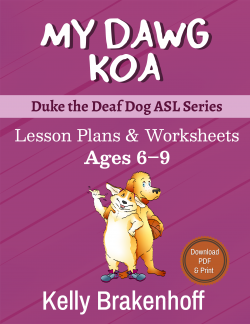
My Dawg Koa ( Duke the Deaf Dog ASL Series) Printable Workbook Ages 6-9
$ 799
No prep time, just print and go!Every student needs to learn that friends have similar interests in common, but they are also different. Students will also learn tools that Deaf or Hard of Hearing peo
...
ple can use around their house.Download this complete lesson plan written by a certified Deaf Educator for ages 6 to 9 and Grade 1 to 2. Eleven printable worksheets are included as companions to the picture book: My Dawg Koa (Duke the Deaf Dog ASL Series #3), by Kelly Brakenhoff: two different cover art options, paper craft instructions, six worksheets, and two coloring pages. Video tutorial links are included for practicing the ASL vocabulary and an ASL version of the complete story performed by a deaf college instructor.There are many creative ways to use this workbook in your classroom.Have a small group read the book together, while other small groups are reading a different book. Have the group of students complete the worksheets and discuss their responses to the social emotional aspects of the story. The students can break into pairs to practice the ASL signs used in the book.Have a student read the book independently, complete the worksheets, and view the ASL video tutorials online.Read aloud the story to your class and/or watch the video version of the story in ASL with the link provided. Use the lesson plan and follow the discussion questions with a full class or in smaller groups.This packet is also perfect to supplement homeschooling curriculum.
Communication Building Blocks
$ 0
This resource describes communication options for children who are deaf and hard of hearing as different features based on challenges to learning each type. Features can be combined to create communic
...
ation options that are tailored to the individual child.
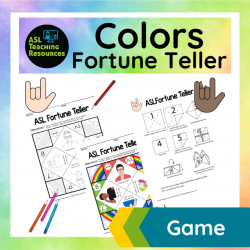
Paper Fortune Teller Game – Colors
$ 295
This Colors Fortune Teller Game will give you hours of fun as you learn sign language.This is a downloadable product. Download the file and print it on your own printer.These new and improved designs
...
help kids to learn a sign and give them activity for reinforcement.
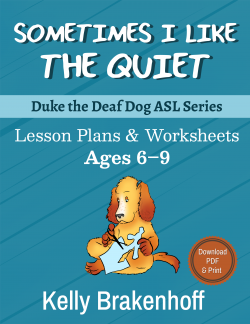
Sometimes I Like the Quiet (Duke the Deaf Dog ASL Series) Printable Workbook Ages 6-9
$ 799
No prep time, just print and go!Every student needs a break sometimes. Students will learn what makes people tired.Download this complete lesson plan written by a certified Deaf Educator for ages 6-9
...
and Grade 1-2. Thirteen printable worksheets are included as companions to the picture book: Sometimes I Like the Quiet (Duke the Deaf Dog ASL Series #4), by Kelly Brakenhoff: two different cover art options, six worksheets, and two coloring pages. Video tutorial links are included for practicing the ASL vocabulary and an ASL version of the complete story performed by a deaf college instructor.There are many creative ways to use this workbook in your classroom.Have a small group read the book together, while other small groups are reading a different book. Have the group of students complete the worksheets and discuss their responses to the social emotional aspects of the story. The students can break into pairs to practice the ASL signs used in the book.Have a student read the book independently, complete the worksheets, and view the ASL video tutorials online.Read aloud the story to your class and/or watch the video version of the story in ASL with the link provided. Use the lesson plan and follow the discussion questions with a full class or in smaller groups.This packet is also perfect to supplement homeschooling curriculum.
A Good Start: Suggestions for Visual Conversations with Deaf and Hard of Hearing Babies and Toddlers
$ 0
This paper provides research-based recommendations for strategies to enhance language learning by use of visual communication strategies, such as attention getting and following the baby's interests.
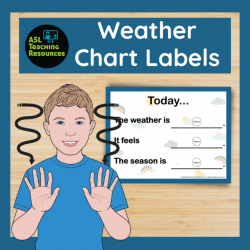
Weather Chart Labels ASL
$ 499
Is something missing from your classroom morning routine? Weather Chart Labels ASL is an excellent way to create a year-long interactive weather bulletin board or weather station. With these labels th
...
at include English, Sign Language signs, and cute graphics, you can meet the needs of visual, auditory, and kinesthetic/tactile learners daily.The possibilities are endless when you add these Weather Chart Labels ASL to your pocket chart, whiteboard, chalkboard, or school doorway. The weather calendar cards will have your young students actively participating in weather discussions and will assist the teacher in guiding focused weather conversations!
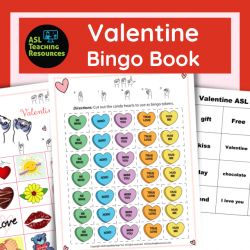
Valentine ASL Bingo Book
$ 1495
Feel the love and enjoy bonding moments with your student while learning sign language with this Valentine ASL Bingo Book. Both kids and the “kids-at-heart” can play with these Valentines-themed ASL c
...
SL cards.
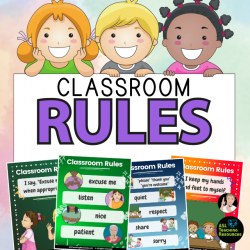
Class Rules and Expectations Posters ASL
$ 695
These vibrant and inclusive Class Rules and Expectations Posters with Sign Language are the perfect addition to your teaching toolkit to create a welcoming and harmonious learning environment for all.
...
Every child’s unique learning style is valued in our classrooms, and inclusivity is at the heart of everything we do. These 10 eye-catching posters have colorful backgrounds, delightful illustrations, and written expectations. But that’s not all! We’ve gone the extra mile by incorporating Sign Language signs, making it easier for our little ones to communicate effectively and fostering a sense of unity.Rules and Expectations Word WallThe Classroom Word Wall Posters are here to enrich vocabulary and comprehension. Each poster features words and engaging illustrations, enhancing memory retention and making learning an exciting adventure. Additionally, we’ve included Word and Signs posters, encouraging active participation, and reinforcing the connection between signs and their meanings. By acquiring these expressions, students can engage effectively with their peers and lay the groundwork for a lifetime of courtesy and empathy.Sign Language and Classroom ManagementImagine the joy on your student’s faces as they discover the power of Sign Language. By using these signs, children build essential communication skills and develop empathy and respect for others. The benefits extend beyond language development; they can even assist with classroom management by providing an alternative way to convey important messages without disruption.
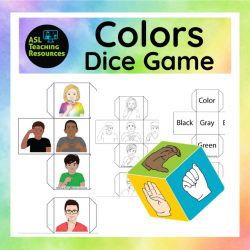
Games for Sign Language: Colors Dice
$ 399
Discover Colors Dice, an exciting educational game that combines learning sign language with fun gameplay! This downloadable and printable product is perfect for classrooms and homes, providing endles
...
s opportunities for creative learning. With optional modes in both English and Sign Language, players can customize their experience to suit their preferences. Dive into the world of color vocabulary while expanding your ASL skills colorfully and engagingly. Ideal for children and adults, Colors Dice is the perfect tool to enhance language learning. Whether you use the colored or black-and-white version, build color vocabulary while having a blast!
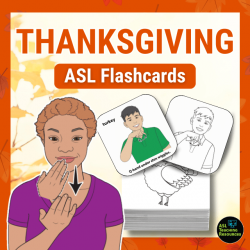
Thanksgiving Day Flashcards
$ 399
What better way to connect with the heart of this holiday than by studying the language of Thanksgiving in American Sign Language (ASL) during this season of thankfulness and togetherness? ASL Flashca
...
rds – Thanksgiving Day is a fun learning tool to help you better understand this unique day.This set of ASL Flashcards – Thanksgiving Day includes 12 festive words in Sign Language. The Thanksgiving Day signs and accompanying icons accommodate different learning methods. These flashcards allow you to choose the level that best suits your learners, with options for colored and black-and-white versions and with and without English text.These flashcards are the perfect choice whether you’re an ASL enthusiast, a teacher looking for a creative educational tool, or someone seeking to add depth to your Thanksgiving celebration. They encapsulate the essence of Thanksgiving Day, promoting a richer connection with the holiday and the people you share it with. As you dive into this rich tapestry of words and signs, may you unlock the spirit of Thanksgiving in a way that truly warms the heart and enriches the soul.

 Cookies